
Mid-Century Modern Interior Design Ideas in Singapore
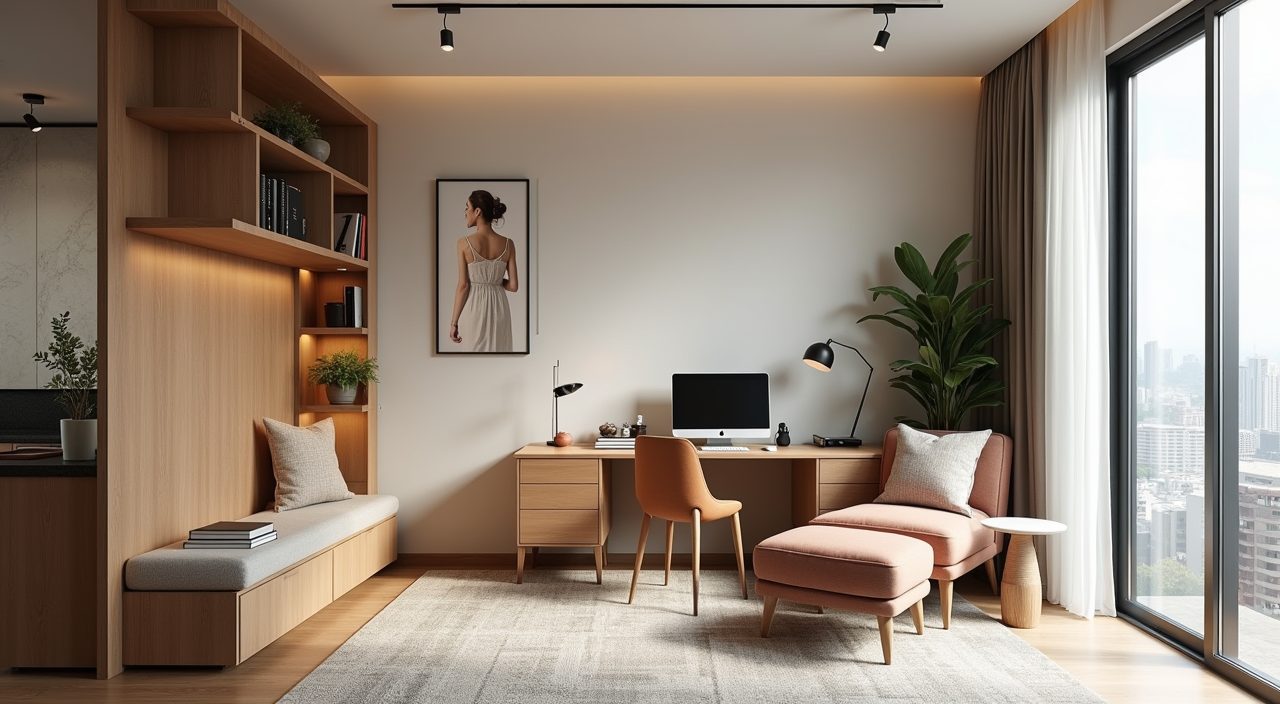
To get mid-century modern right in a Singapore home, keep the bones simple and let a few honest materials do the work: warm timber tones, tapered legs, clean horizontal lines, and one or two confident accent colours. In an HDB flat or condo where ceilings are around 2.6m to 2.9m and floor area is tight, the style earns its keep because low-profile furniture, raised legs, and uncluttered surfaces make small rooms feel larger and brighter.
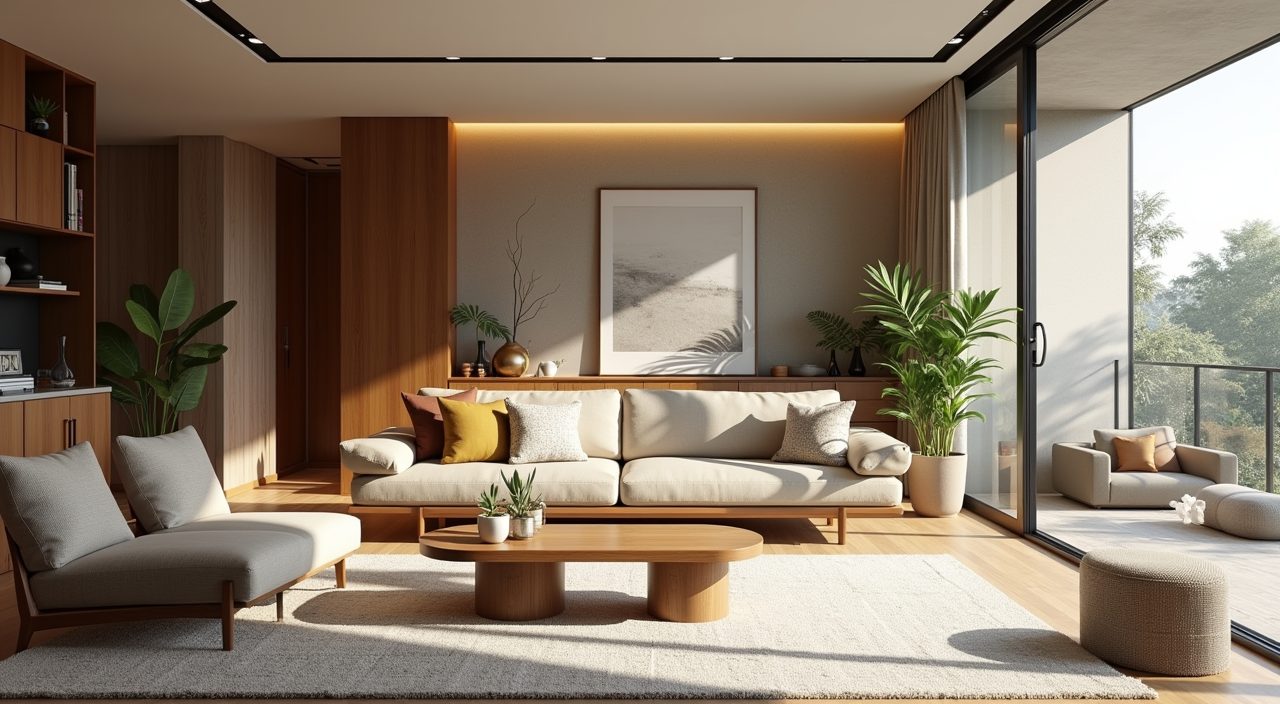
The look was born in the 1950s and 60s, but the reason it suits Singapore is practical, not just nostalgic. Airy, leggy furniture reads well in humid tropical light, natural wood balances the cool grey of most new builds, and the restraint of the style stops a compact flat from feeling cramped. The ideas below break the approach down room by room so you can adapt it to your own layout.
What defines the mid-century modern look
Mid-century modern is about clean geometry and honest materials rather than ornament. The signatures are easy to spot once you know them, and you only need a handful to establish the style in a room.
The trap most people fall into is treating it as a shopping list of teak and mustard velvet. It is really a discipline of restraint: fewer pieces, more breathing room, and every item chosen for its shape.
- Tapered, splayed or hairpin legs that lift furniture off the floor so light and eye travel underneath.
- Low, horizontal profiles: sideboards, media consoles and sofas that sit lower than modern default heights.
- Warm natural timber (teak, walnut, oak) as the anchor, usually with a matte or oiled finish rather than high gloss.
- Clean lines with gentle curves: organic, sculptural shapes rather than sharp boxy corners.
- A mostly neutral base lifted by one or two bold accent colours such as mustard, burnt orange, teal or olive.
- Function-first design with minimal clutter, so surfaces stay largely clear.
Why it works in Singapore HDB flats and condos
Local homes trend compact and, in newer BTO and condo units, quite cool and grey in their base palette. Mid-century modern is a good counterweight. Leggy furniture leaves the floor visible, which is one of the strongest tricks for making a small living or bedroom feel more open, and the warm wood tones soften the grey concrete and porcelain-tile look that many new units start with.
Tropical light is bright and often harsh through large windows and balconies. The muted, warm mid-century palette handles this well: it does not glare back at you the way stark white can, and the accent colours read richer under strong daylight. The style also leans on built-in and low storage, which suits flats where every centimetre counts.
One honest caveat: authentic vintage teak and rattan pieces need care in our humidity. Solid timber can crack if it swings between a cold aircon room and open, humid air, and untreated rattan and cane can grow mildew. That does not rule the style out; it just shapes which materials and finishes you choose, covered next.
Key materials and palette for our climate
Choose finishes that look mid-century but cope with heat, humidity and heavy aircon use. The aim is the warmth of natural wood without the maintenance headaches of raw vintage timber in a tropical flat.
For colour, keep roughly 70 percent neutral, 20 percent secondary tone, and 10 percent bold accent. That ratio keeps a small room calm while still giving it the signature mid-century pop.
- Favour engineered timber, quality wood veneer or laminate in walnut and teak tones for built-ins; they hold up far better than solid wood against humidity swings.
- If you want real rattan or cane (on chairs, headboards, wardrobe fronts), keep it in aircon-controlled rooms and wipe it down; expect some upkeep.
- Base neutrals: warm white, oatmeal, greige, soft grey. These flatter tropical daylight better than cold blue-white.
- Accent colours that read as mid-century: mustard yellow, burnt orange, teal, forest or olive green, terracotta.
- Terrazzo, warm-toned marble-look surfaces and matte brass or bronze fittings add period feel without dating quickly.
- Keep flooring warm: wood-look tiles or vinyl plank in a mid to warm tone anchor the whole scheme and are practical for humidity.
How to apply it room by room
The style adapts differently to each space in a Singapore home, and the practical constraints change from room to room: aircon and humidity in bedrooms, grease and heat in the kitchen, splashes in the bathroom, and floor area everywhere. Rather than force one formula on the whole flat, plan each room around its own realities.
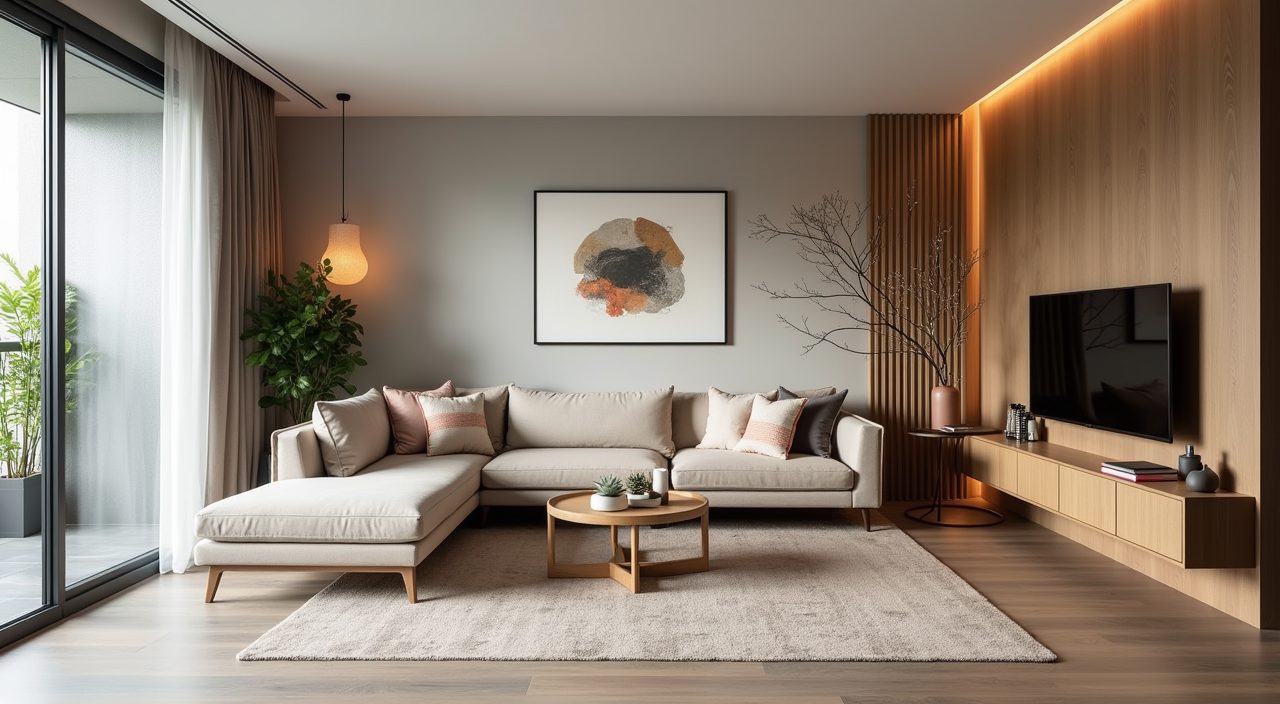
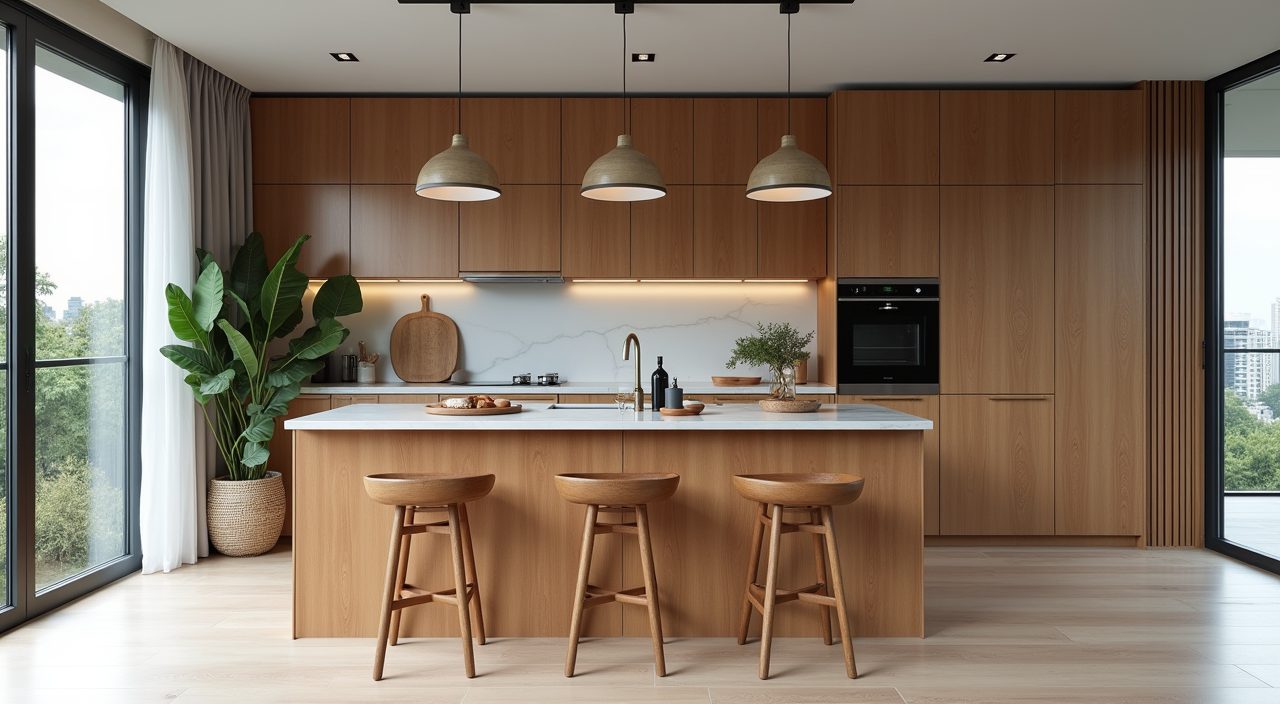
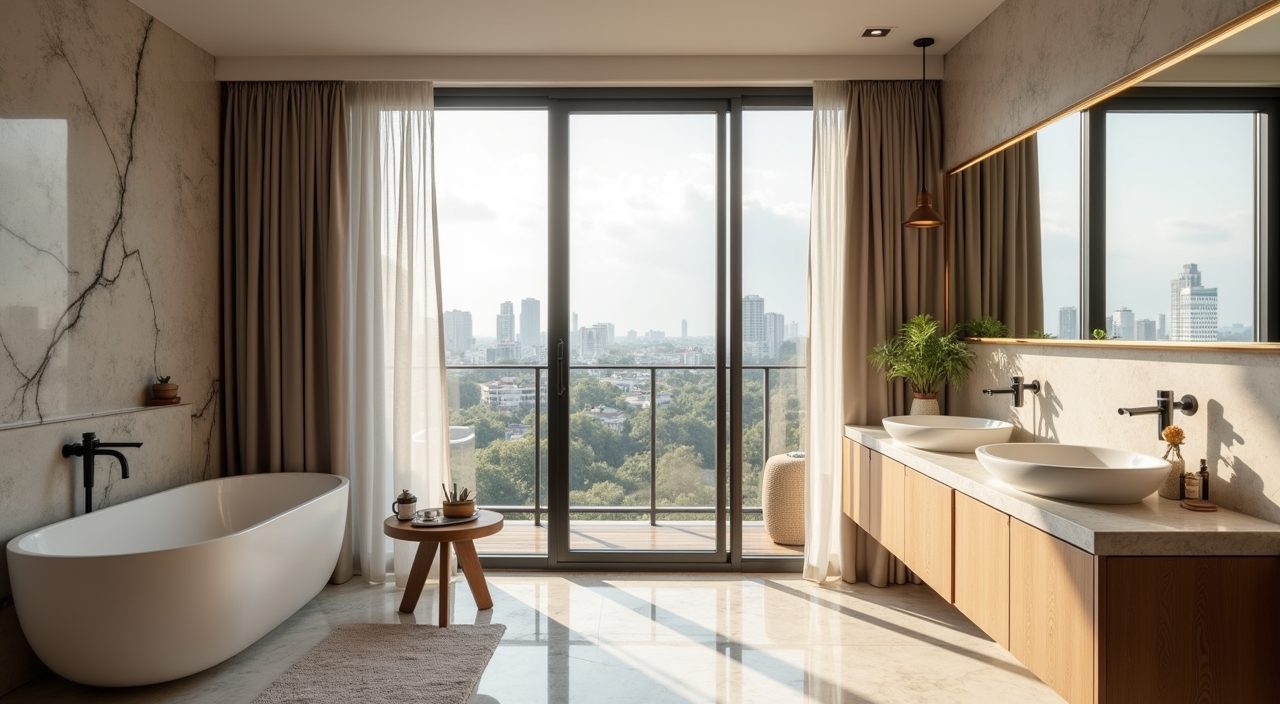
Explore the specific room ideas linked below to see how mid-century modern plays out in a living room, kitchen, master bedroom, secondary bedroom, kids room, bathroom, study and dining area. Each goes into layout, storage and finishes suited to local flats and condos, so you can lift the details that fit your own unit.
Explore Mid-Century Modern rooms
Frequently asked questions
Is mid-century modern a good fit for a small HDB flat?
Yes, it is one of the better styles for compact flats. Furniture on raised, tapered legs keeps the floor visible and makes rooms feel larger, low horizontal profiles suit our roughly 2.6m to 2.9m ceilings, and the restraint of the style discourages clutter. The main thing is to buy fewer, well-shaped pieces rather than crowding the space.
Does real teak and rattan furniture survive Singapore humidity?
It can, but it needs care. Solid teak may crack when it swings between cold aircon and open humid air, and untreated rattan or cane can develop mildew. Keep genuine pieces in aircon-controlled rooms and maintain them, or use engineered timber, quality veneer and laminate in walnut or teak tones for built-ins, which handle our climate with far less fuss.
What colours define a mid-century modern scheme in a tropical home?
Start with a warm neutral base (warm white, oatmeal, greige, soft grey) rather than cold blue-white, which flatters tropical daylight better. Then add one or two bold accents such as mustard, burnt orange, teal or olive, roughly at a 70 percent neutral, 20 percent secondary, 10 percent accent split so a small room stays calm.
How is mid-century modern different from plain minimalist or Scandinavian design?
All three value clean lines and low clutter, but mid-century modern is warmer and more confident with colour and wood. Where Scandinavian leans pale and airy and minimalism strips things back to near-neutral, mid-century keeps warm timber as the anchor, uses sculptural organic shapes, and is happy to commit to a bold accent tone.