
Sliding Doors vs Swing Doors in Singapore Homes: Space and Cost Compared
Sliding doors save floor space but cost more; swing doors are cheaper and seal better. Compare space, cost and use cases for Singapore homes.
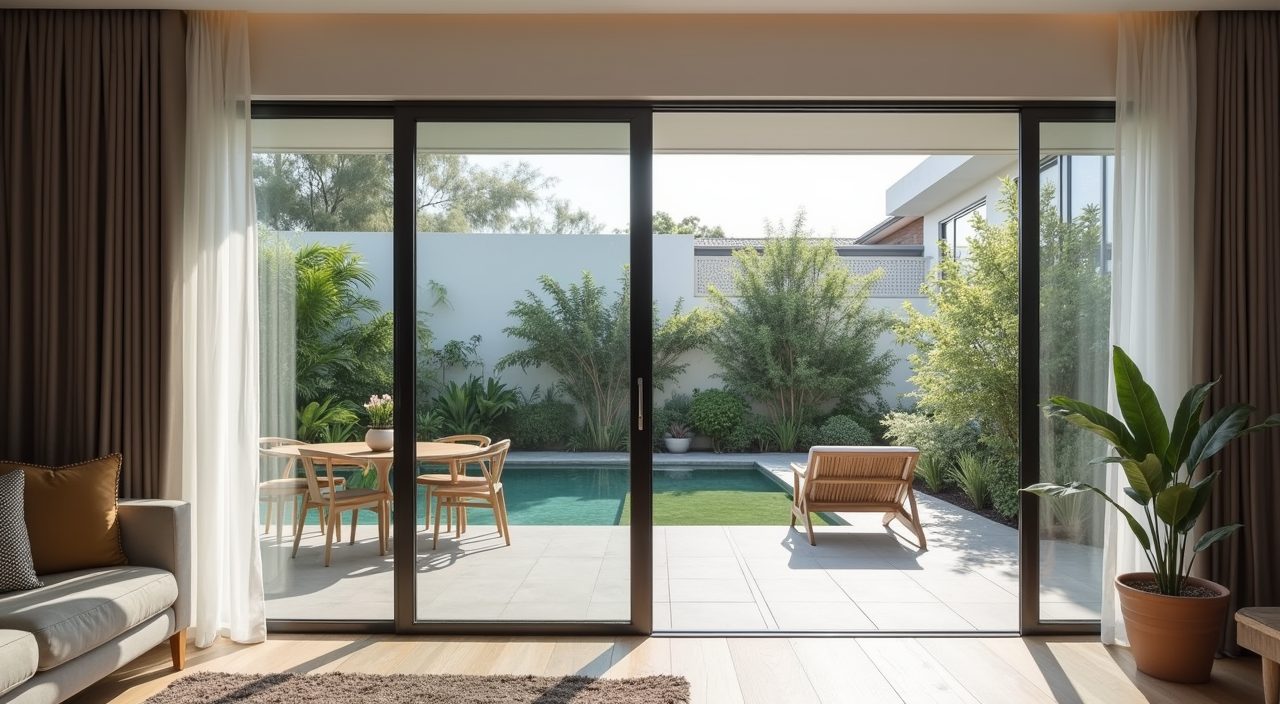
Sliding doors are the better choice when you want to save floor space, since they glide along a track instead of swinging into the room. Swing doors are usually cheaper to buy and install, seal a room better for sound and air-conditioning, and are simpler to maintain. For most Singapore flats, the honest answer is a mix: sliding doors for tight spots like a small bedroom, kitchen or balcony, and swing doors where you want a solid seal or a lower cost.
In HDB flats and condos, space is the constant pressure. A standard swing door needs a clear arc of roughly 800mm to 900mm to open fully, which is floor you cannot use for furniture. That single fact drives most of the decision. The rest comes down to budget, how well the room needs to seal, noise, and the look you are going for.
What is the core difference between sliding and swing doors?
A swing door is hinged on one side and opens by rotating into or out of a room. A sliding door hangs from a top track (or runs on a bottom track) and slides sideways, either along the wall or into a wall cavity.
The practical trade-off is space against sealing. Swing doors seal tightly against a frame, so they block sound, dust and cold air-con air better. Sliding doors clear the floor arc completely, but a small gap around the panel means they rarely seal as well unless you pay for a higher-spec system.
How much floor space does each door type save?
A swing door sweeps a quarter-circle of floor that has to stay clear. On a typical 850mm door, that is close to half a square metre you cannot furnish. In a compact HDB bedroom or a bomb shelter turned store room, that arc matters a lot.
Sliding doors reclaim that arc entirely, which is why they are popular for small rooms, wardrobes, kitchen entrances and balcony openings.
A quick space comparison:
Swing door: needs an 800mm to 900mm clear arc; blocks furniture placement near the doorway.
Surface-mounted sliding (barn style): needs clear wall beside the opening for the panel to park.
Pocket sliding (into wall cavity): saves the most space and looks cleanest, but the wall must be built or hacked to hold the cavity.
Which is cheaper to buy and install in Singapore?
As a rule, a basic swing door is the cheapest option because the hardware is simple and installation is quick. Sliding systems cost more because you pay for the track, rollers, guides and often a heavier panel.
Rough guidance only, since real prices depend on material, size and contractor:
Basic hollow-core swing door with frame and hardware: the lowest-cost option, often a few hundred dollars supplied and fitted.
Solid or laminate swing door: mid-range, better sound and feel.
Surface-mounted (barn) sliding door: mid to higher range once you add the track and quality rollers.
Pocket sliding door: usually the most expensive, because it needs carpentry or wall works to form the cavity.
Aluminium-frame glass sliding doors (common for balconies and kitchens) sit at the higher end and add glazing and framing costs. Always get an itemised quote so you can see hardware versus labour.
Which door seals better for sound and air-conditioning?
Swing doors win on sealing. Because the panel presses against a frame on all four sides, they hold in cool air and keep out noise far better, which matters for bedrooms and study rooms where you run the air-con or want quiet.
Standard sliding doors leave a small gap at the top and sides, so sound and cool air leak more easily. If you need a sliding door in an air-conditioned room, look for a system with proper brush seals or a track designed to reduce the gap, and accept that it still will not match a good swing door on a hot afternoon.
Where does each type work best in a Singapore home?
Match the door to the room rather than picking one type for the whole flat.
Best for sliding doors: small bedrooms, kitchen entrances, balcony and yard openings, wardrobes, and any spot where a swing arc would block furniture or a walkway.
Best for swing doors: master bedrooms and study rooms that need sound and air-con sealing, bathrooms where you want a firm privacy seal, and rooms on a tight budget.
A common HDB approach is a swing door for the main bedroom, a sliding or folding door for the kitchen, and glass sliding doors for the balcony. There is no single right answer; it depends on how you use each room.
What should you check before installing either door?
A few checks save you from costly surprises. Confirm the wall type first, since a pocket sliding door needs a cavity, and hacking a structural or party wall in an HDB flat may not be allowed without approval. Fire doors at the main entrance and any doors affecting bomb shelters have their own rules you must not modify.
Also check the following:
Track quality for sliding doors, since cheap rollers jam or get noisy within a year or two.
Floor level, because an uneven floor makes a bottom-track sliding door stick.
Door swing direction for swing doors, so it does not clash with light switches, furniture or another door.
Weight of glass panels, which need a stronger track and secure top fixing.
Whether your renovation touches HDB-controlled items, as some works need a permit before you start.
Can a contractor help me choose and fit the right doors?
Yes, and this is one area where a walk-through is worth it. A good renovation contractor will measure the openings, check the wall and floor condition, flag any HDB restrictions, and tell you honestly where a sliding door is worth the extra cost and where a plain swing door does the job.
If you are planning a wider renovation, folding in the doors saves money because the same team can align the track, frame, flooring and any wall works in one go. When you ask us about renovation work, we can quote the doors as part of the room rather than a bolt-on, so the finish lines up and you avoid paying twice for access and touch-ups.
Frequently asked questions
Are sliding doors more expensive than swing doors? Usually yes. A basic swing door is the cheapest because its hardware is simple, while sliding systems add the cost of the track, rollers and often a heavier panel. Pocket sliding doors are typically the priciest because they need wall works to form a cavity.
Do sliding doors leak air-con air? Standard sliding doors have a small gap around the panel, so they leak more cool air and sound than a swing door that seals against a frame. If you need a sliding door in an air-conditioned room, choose a system with brush seals to reduce the loss.
Can I install a pocket sliding door in an HDB flat? Sometimes, but the wall must be able to hold a cavity, and you cannot hack structural or certain party walls without approval. Check with your contractor and, where needed, with HDB before committing, since not every wall qualifies.
Which door is best for a small HDB bedroom? A sliding door is often best because it clears the floor arc that a swing door would block, freeing space for a bed or wardrobe. If you value sound and air-con sealing more than floor space, a swing door is still the better pick.