
Resale Flat Interior Design Ideas in Singapore
The best way to design a resale flat in Singapore is to work with the bones you already have rather than fighting them. Older HDB and resale condo units often come with generous floor area, thick structural walls, and quirks like a service yard, bomb shelter, or dropped beams, so a good design keeps the honest layout, opens up sightlines where you can, and spends the budget on the surfaces you touch every day.
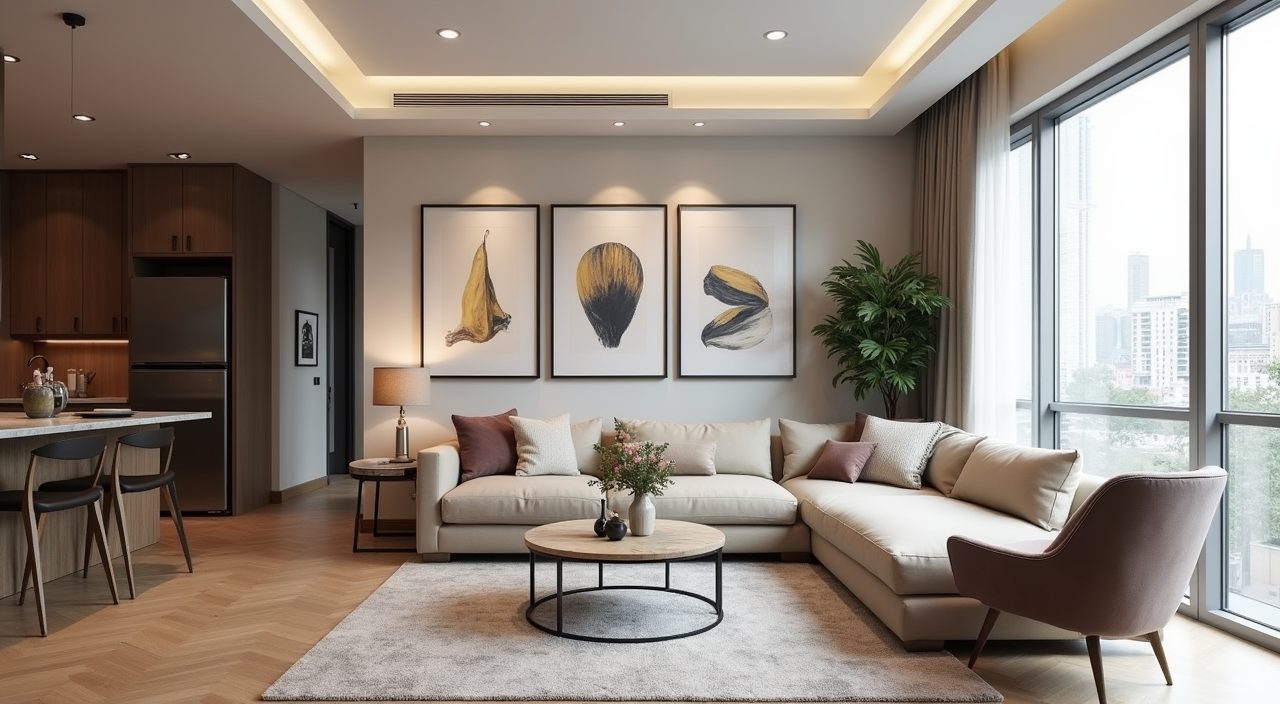
Below is a room-by-room look at how to plan a comfortable, hard-wearing home in our climate: what to keep, what to hack, which materials survive humidity, and how to light and store things when space is tight. Use it as a map, then dive into the detailed guides for each room to see real ideas you can copy.
What matters most in a resale flat
Resale flats have one big advantage over new BTO units: you can see exactly what you are getting. Before you plan a single mood board, walk the flat at different times of day. Note which rooms get harsh afternoon west sun, where the natural cross-breeze runs, and where damp or musty smells collect. Those observations drive better decisions than any Pinterest board.
Two constraints sit above everything else. First, HDB rules: you cannot hack structural walls (the thick ones, often around the bomb shelter and along the spine of the unit), floor screed has thickness limits, and you need HDB and a licensed contractor's approval for hacking, plumbing, and window works. Second, condition: resale units frequently hide old wiring, aging waterproofing in wet areas, and tired windows. Budget to fix these first, because they are expensive and disruptive to redo after you have moved in.
The honest move is to spend where it counts. Redo waterproofing and re-wire if the unit is old, replace worn windows, and invest in a kitchen and bathrooms that will last a decade. Save on decorative items you can swap cheaply later.
- Confirm what is structural before you dream about knocking down walls.
- Get the wet-area waterproofing and electrical load checked early.
- Keep the bomb shelter (household shelter); its door and walls cannot be altered.
- Factor in reinstatement and haulage costs that new flats do not have.
Budgeting and planning around resale realities
A resale renovation splits into two buckets: fixing the old and styling the new. First-time BTO owners can often skip the fixing bucket, but resale owners rarely can. Allocate a realistic slice of the budget to hacking, re-screeding, rewiring, replumbing, and waterproofing before you touch finishes. It is not glamorous, but it prevents the classic resale regret of a beautiful flat with a leaking toilet above the ceiling.
Sequence the work sensibly. Wet works and hacking come first, then plastering and ceiling, then flooring, then carpentry, then painting and fittings. Built-in carpentry is usually the single biggest line item, so decide early which walls really need floor-to-ceiling storage and which can stay open. Overbuilding carpentry is the easiest way to blow a resale budget.
Plan for our climate at the budget stage, not the end. Good cross-ventilation, ceiling fans, and light-toned surfaces reduce how hard your air-conditioning has to work, and they cost little compared to oversized aircon that runs all day.
- Prioritise: waterproofing and wiring, then flooring, then carpentry, then decor.
- Get itemised quotes so you can trim the right line, usually carpentry.
- Keep a 10 to 15 percent contingency; resale flats always reveal surprises.
Materials and finishes that survive the tropics
Singapore's heat and humidity punish the wrong materials. Solid timber and cheap veneers can warp, laminates can peel at the edges, and untreated metal can rust in a service yard. Choose finishes that shrug off moisture: quality laminates and compact laminate for carpentry, porcelain or homogeneous tiles for wet and high-traffic areas, and quartz or sintered stone for kitchen tops that will not stain or harbour mould.
For flooring, resale owners often inherit old parquet or dated tiles. Overlay vinyl (SPC) is popular because it is warm underfoot, water-resistant, and can go over existing floors to save hacking cost, though it sits slightly higher. Tiles stay cool and last decades but are hard and cold to hack out later. Whatever you pick, favour matte and mid-tone finishes; glossy dark floors show every speck of dust in our light.
On palette, lean into how tropical light behaves. Bright, near-white walls bounce our strong daylight and keep rooms feeling cool and airy; warm neutrals, off-whites, and natural wood tones read calm rather than clinical. Save bold or dark colours for a feature wall or soft furnishings you can change, not the surfaces you have to live with for years.
- Wet areas: porcelain or homogeneous tiles, proper waterproofing membrane underneath.
- Carpentry: moisture-resistant laminate over solid timber for humid rooms.
- Countertops: quartz or sintered stone over natural marble for daily durability.
- Ventilate carpentry (louvred doors, gaps) so trapped humidity does not cause mould.
A room-by-room approach for small-space living
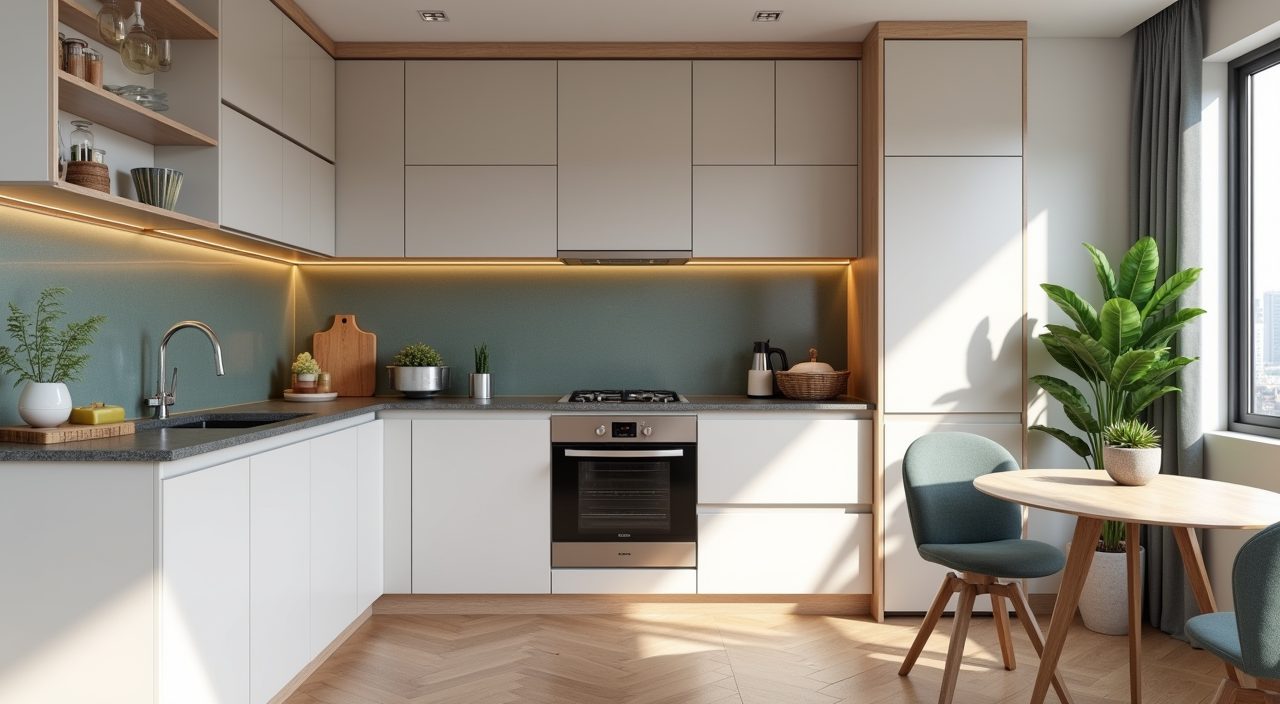
The theme running through every Singapore home is doing more with less floor area while keeping it feeling open. In the living room, float furniture away from every wall only if you have the space; otherwise, use slim, leggy pieces and a single large rug to make the floor read bigger. In the kitchen, decide honestly between an open concept (great for light and sociability) and an enclosed one (better for heavy wok cooking, which coats an open home in grease and smell). Bathrooms benefit from large-format tiles and a glass screen instead of a shower curtain to feel larger and dry faster.
Bedrooms are where storage earns its keep. Full-height wardrobes to the ceiling capture the awkward top space that dust loves, and a platform bed with drawers turns dead area into storage. In a study or a converted bomb shelter nook, a wall-mounted desk and open shelving keep the footprint tiny. Kids' rooms should be planned to change: modular furniture and a neutral base let the room grow from toddler to teen without a re-renovation.
Explore the detailed room guides below for specific layouts, dimensions, and finish ideas. Each one goes deeper than this overview, with the small-space tricks and climate-smart choices that actually work in a Singapore resale flat.
Explore Resale Flat rooms
Frequently asked questions
Is renovating a resale flat more expensive than a new BTO?
Usually yes, because resale flats often need hacking of old fittings, re-screeding, rewiring, and fresh waterproofing before any styling begins. A BTO arrives with new wet areas and a clean shell, so its budget goes mostly to carpentry and finishes. Set aside a clear portion of your resale budget for these repairs and a 10 to 15 percent contingency for hidden surprises.
Which walls can I hack in a resale HDB flat?
You can only remove non-structural walls, and even then you need HDB's approval and a licensed HDB renovation contractor to carry out and submit the works. Structural walls, the reinforced ones often running along the spine of the unit, and the household shelter (bomb shelter) walls and door cannot be altered at all. Always confirm with your contractor and HDB before planning an open-concept layout.
What flooring is best for Singapore's humidity?
Porcelain and homogeneous tiles are the most durable and stay cool, which suits our climate, though they are hard and costly to hack out later. SPC vinyl is a popular resale choice because it is water-resistant, warm underfoot, and can overlay existing floors to save hacking costs. Avoid solid timber and cheap veneers in wet or unventilated areas, where humidity can warp or peel them.
Should my resale flat kitchen be open or enclosed?
It depends on how you cook. An open kitchen brings in light and feels more spacious, which suits smaller flats and lighter cooking. If you do heavy wok-frying or daily heavy cooking, an enclosed or semi-enclosed kitchen contains grease, heat, and cooking smells that would otherwise spread through the whole home. Many Singapore owners compromise with a glass sliding partition that opens for airflow and closes for serious cooking.