
Minimalist Interior Design Ideas in Singapore
Minimalist interior design in a Singapore home works best when you treat it as a discipline of editing, not a style you buy. Start by cutting the number of colours, finishes and visible objects, then build in enough hidden storage so surfaces stay clear day to day. In a compact HDB flat or condo, restraint is what makes small rooms feel calm and larger than they are.
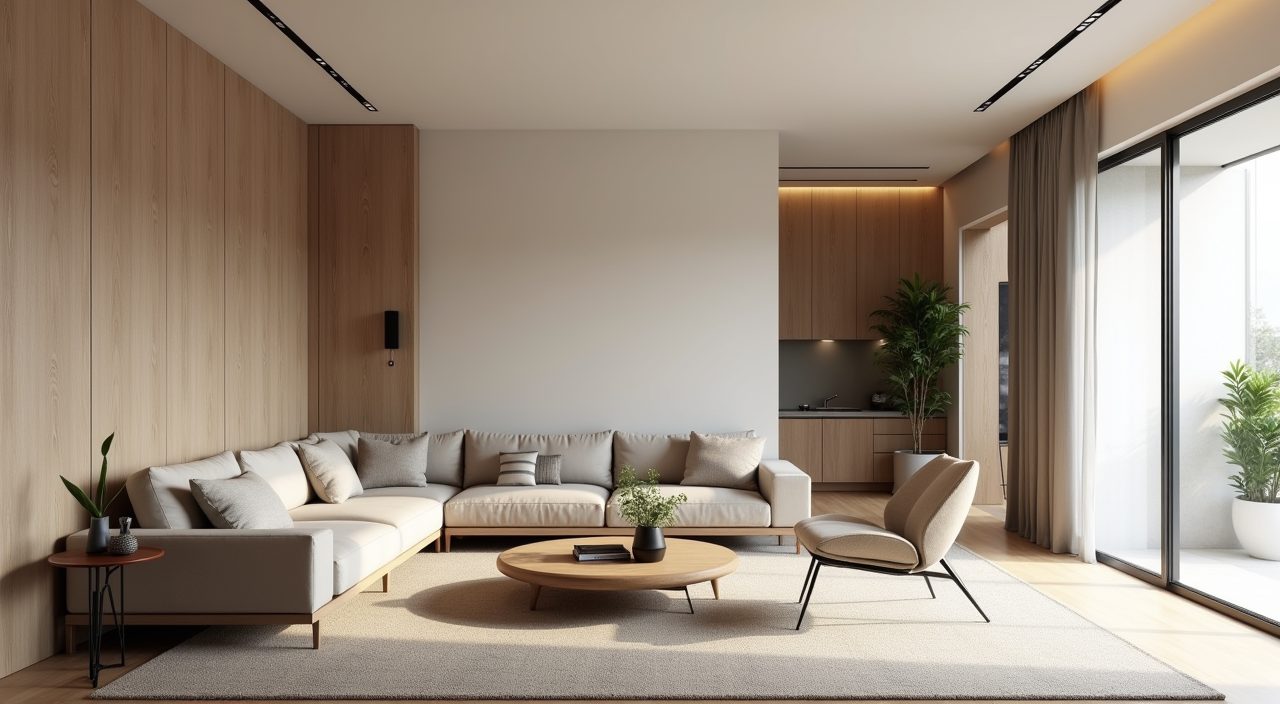
The look reads clean and airy, but the real value in our climate is functional. A tight palette handles strong tropical daylight without feeling harsh, low-clutter surfaces are easier to keep dust and mould free in high humidity, and built-in storage buys back floor area you cannot afford to lose. The ideas below break the approach down room by room.
What defines the minimalist look
Minimalism is not empty white boxes. It is a small number of deliberate choices repeated across a home: a restrained palette, honest materials, clean lines and generous negative space. Every item on show should earn its place, and the things that create daily clutter get hidden behind full-height carpentry.
The discipline is subtraction. Before adding a feature wall or a statement light, ask what you can remove instead. A single well-made timber dining table on a plain floor says more than a room full of decorative pieces, and it is far easier to live with in a Singapore flat where space is tight.
- Limit the palette to two or three main tones plus one accent
- Choose full-height built-in storage over freestanding furniture where you can
- Keep worktops, sideboards and shelves mostly clear
- Favour flush handleless carpentry and concealed hinges for clean lines
- Pick a few honest materials and repeat them, rather than mixing many finishes
Why it suits HDB flats and condos
Singapore homes are compact and dense with storage needs, so a minimalist approach is practical rather than purely aesthetic. Clear sightlines from the entrance through to the living and dining area make a 3-room or 4-room HDB feel noticeably more spacious, and a light, consistent palette bounces natural light deeper into rooms that often have only one or two windows.
Our climate also rewards restraint. Fewer open shelves and knick-knacks mean less surface for dust to settle and less to wipe down in humid weather. Simple, sealed materials resist mould better than fussy, textured ones, and built-in furniture avoids the awkward gaps behind freestanding pieces where damp and dust collect. For rental condos or flats where you cannot rebuild, minimalism is also the easiest look to achieve with paint, decluttering and a few good pieces.
Palette and materials for the tropics
Build the palette around warm off-whites and soft greys rather than stark cold white, which can look clinical under Singapore's bright daylight and cool LED lighting. Warm neutrals feel calmer and hide the fine marks and scuffs of daily use better. Add depth with natural wood tones, oak, walnut or a light ash laminate, and reserve one accent, matte black, muted green or terracotta, for small doses.
For materials, choose finishes that cope with heat and humidity. Matte and micro-textured laminates hide fingerprints and are easy to clean; large-format porcelain tiles or vinyl handle wet-weather footfall and are more forgiving than natural stone. Be cautious with solid timber and rattan in unconditioned areas, as they can warp or attract mould; engineered wood and quality laminate give the same warm look with far less maintenance.
Keep the number of finishes low. A common Singapore-friendly recipe is warm white walls, one wood tone for carpentry, a neutral floor and a single dark accent for handles or frames. Repeating that combination across rooms is what makes a small home feel considered rather than busy.
- Warm off-white and greige walls over stark cold white
- One consistent wood tone across built-ins for continuity
- Matte, low-texture laminates that hide prints and wipe clean
- Porcelain or vinyl flooring for humidity and wet-season resilience
- One restrained accent colour used sparingly
How to apply it room by room
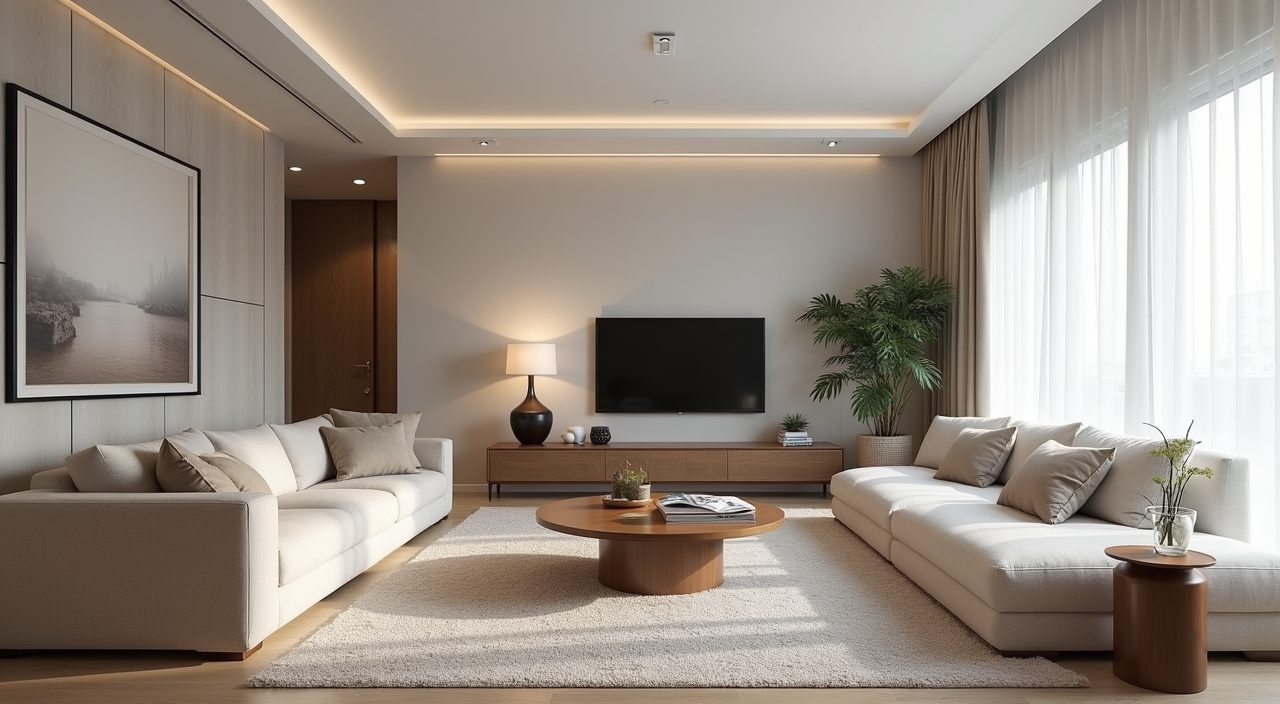
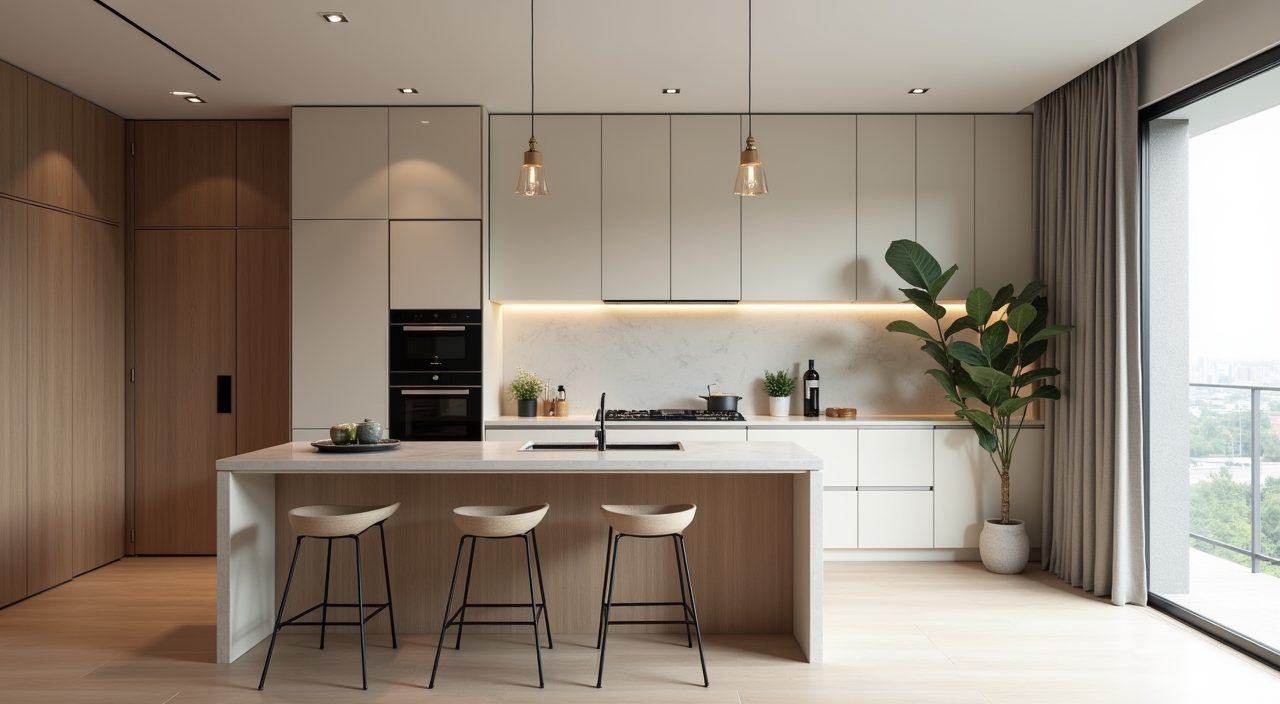
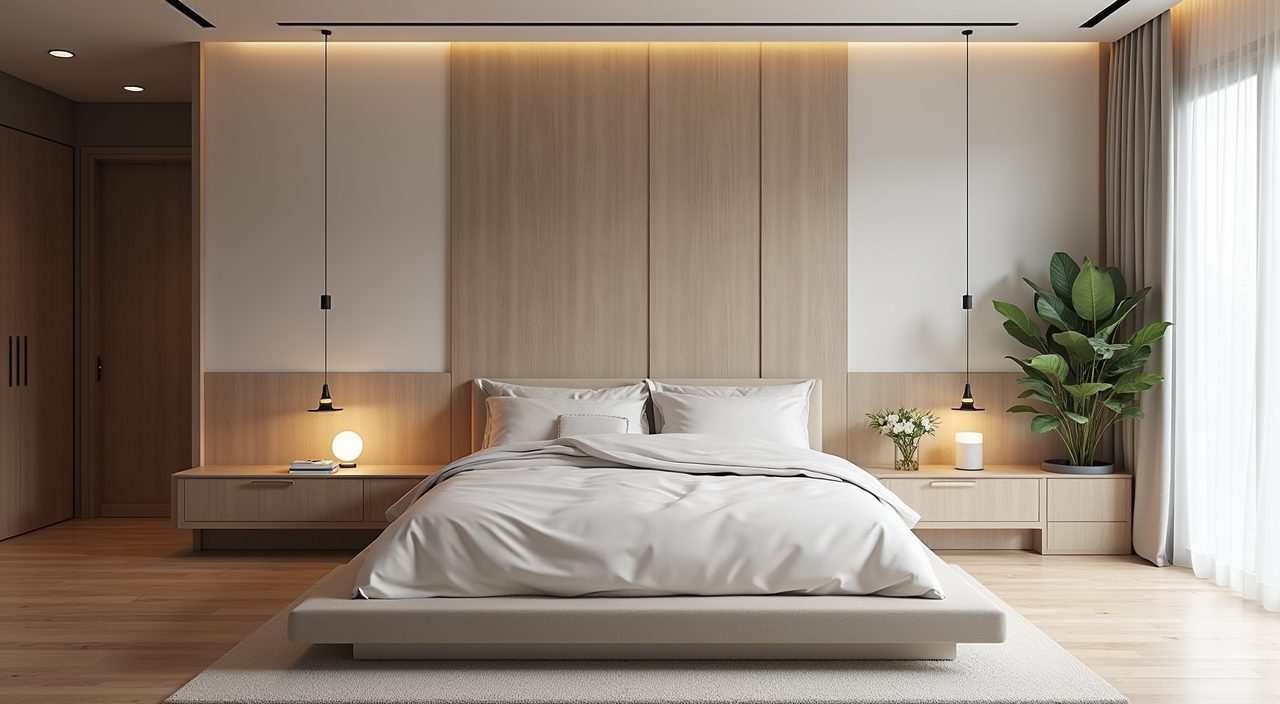
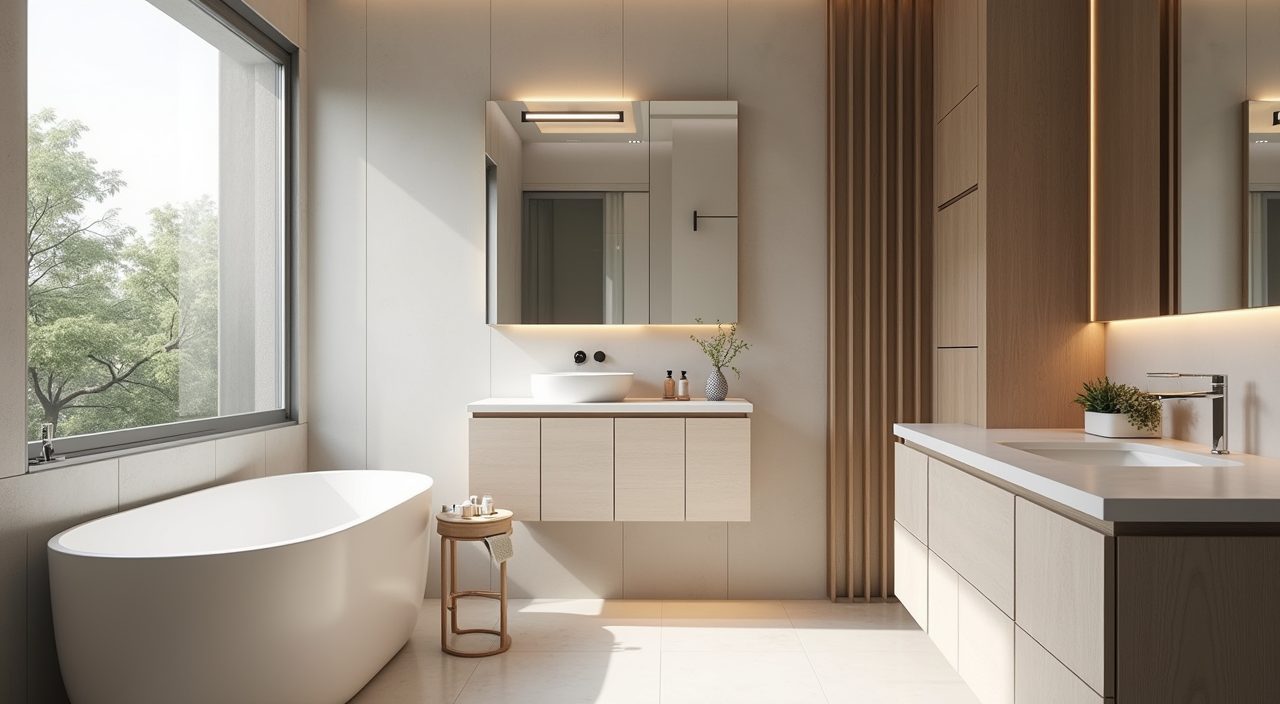
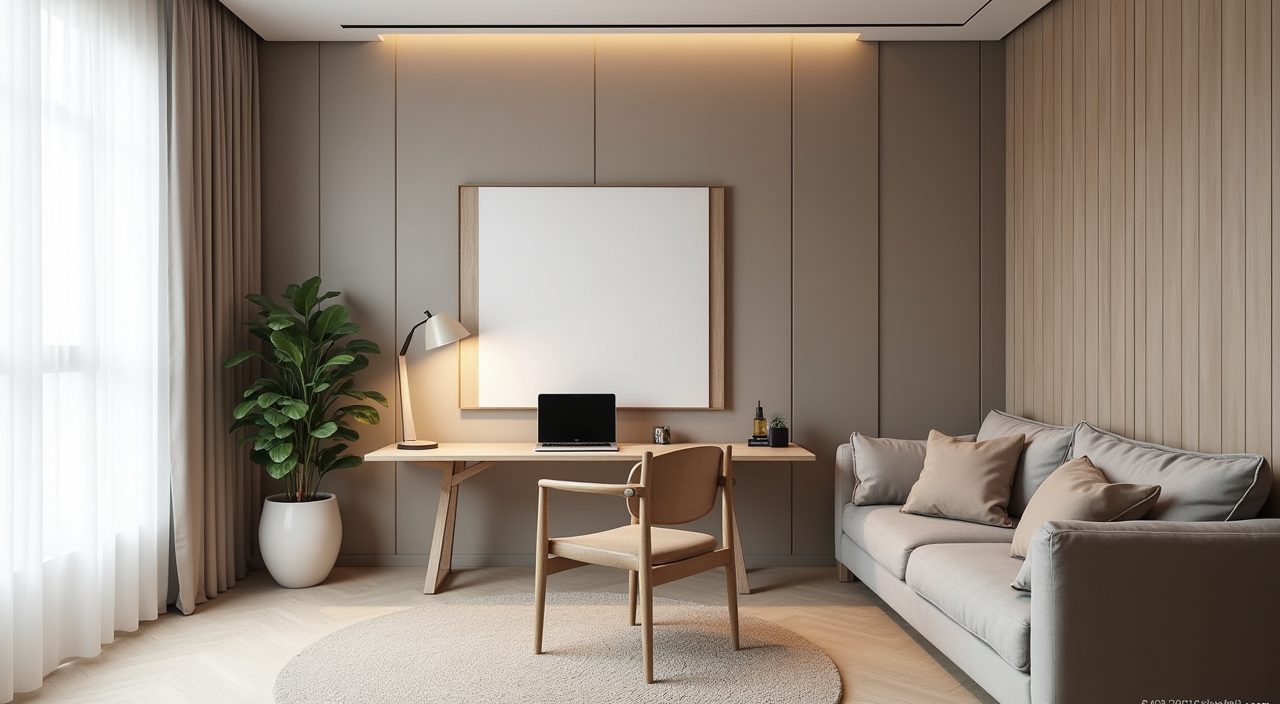
Minimalism plays out differently in each part of the home, so it helps to plan room by room rather than applying one rule everywhere. The living room is about clear sightlines and a low, uncluttered TV wall. The kitchen leans on handleless cabinetry and hidden appliances. Bedrooms need calm, dark-enough conditions for sleep with wardrobes that swallow clutter. Bathrooms benefit most from concealed storage and easy-clean surfaces in our humid climate.
Explore the specific ideas below for a detailed treatment of each space, from the living room, kitchen and dining area to the master bedroom, a second bedroom, the study, the kids room and the bathroom. Each post covers layout, dimensions, materials and storage tailored to Singapore HDB flats and condos, so you can plan the whole home as one coherent scheme rather than a set of disconnected rooms.
Explore Minimalist rooms
Frequently asked questions
Is minimalist design expensive to do in Singapore?
Not necessarily. The look relies on restraint, so you spend on fewer, better items and plenty of built-in storage rather than lots of decorative pieces. Most of the cost sits in carpentry for concealed storage; if that is out of budget, you can still get most of the effect through decluttering, a warm neutral repaint and a handful of well-chosen furniture pieces.
Does minimalism work in a small 3-room or 4-room HDB flat?
It is arguably where minimalism works best. Clear sightlines, a light consistent palette and full-height storage make a compact flat feel larger and calmer. The main move is to hide daily clutter behind built-ins so the limited floor area and surfaces stay open.
How do I keep a minimalist home looking clean in Singapore's humidity?
Choose sealed, low-texture, matte finishes that wipe down easily and resist mould, keep open shelving to a minimum, and make sure clutter has a closed home to go back to. Good ventilation and running the air-conditioning or a dehumidifier in enclosed rooms also helps keep surfaces and wardrobes dry.
What colours suit a minimalist tropical home?
Warm off-whites, greige and soft greys work better than stark cold white, which can look harsh under bright daylight. Add warmth with a single wood tone across your carpentry and reserve one muted accent, such as matte black, olive green or terracotta, for small touches.